
The biggest AI trends in marketing show a clear shift: artificial intelligence is no longer just a tool – it is becoming a creative partner for modern brands. From automated campaign optimization to generative content, AI is reshaping how companies communicate with audiences.
The question most marketers are asking has changed too. It’s no longer should we use AI? It’s how do we use it without losing what makes our brand worth following? It’s a question Mueller Group Limited works through with brands every day, and exactly what this article unpacks.
The Rise of AI in Marketing
Artificial intelligence is quickly moving from experimental technology to a central engine of modern marketing. In this section, we explore what AI marketing really means and why the industry is experiencing such rapid disruption.
What Is AI in Marketing?
AI in marketing refers to the use of machine learning and automation to analyze data, predict outcomes, and improve marketing decisions. Instead of managing campaigns manually, marketers now rely on intelligent systems that can analyze millions of signals at once.
AI can help brands:
- Predict customer behavior
- Generate marketing content
- Optimize ad targeting
- Personalize user experiences
- Automate campaign decisions
According to McKinsey, companies that apply AI-driven personalization can increase revenue by 10 – 15%. This explains why AI marketing adoption has accelerated across industries. However, the real shift is strategic. AI is not just improving efficiency, it is redefining how brands understand audiences.
Why AI Is Disrupting the Marketing Industry
Three forces are driving the current wave of AI disruption changes: data growth, generative technology, and real-time optimization.
- First, the data explosion. Brands now track interactions across dozens of channels simultaneously, and AI can process those signals instantly – surfacing patterns no human analyst would catch in time to act on.
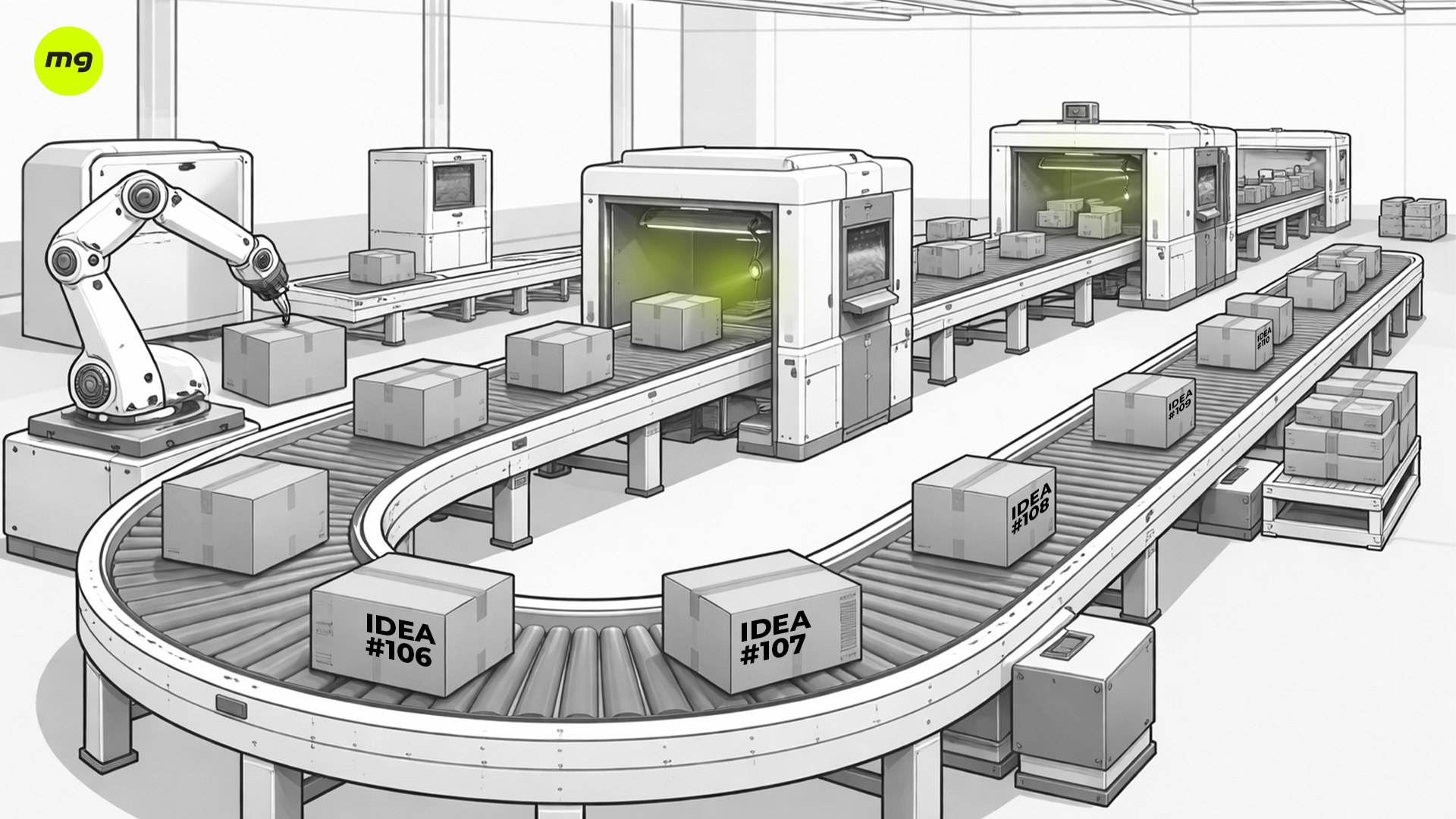
- Second, generative AI tools that can produce marketing assets at scale: ad copy, social posts, landing pages, visual concepts, video scripts. The content bottleneck? Gone.
- Third, real-time optimization. Programmatic advertising systems can adjust bidding strategies across thousands of audience segments within seconds – without a human in the loop. Together, these capabilities explain why AI is disrupting marketing faster than any previous technological shift. This isn’t incremental. It’s structural.
Major AI Trends in Marketing for 2026
Understanding the latest AI trends in marketing helps brands anticipate how the industry will evolve. The following trends highlight where AI marketing is heading and why marketers must adapt.
Trend #1: Generative AI Becomes the Creative Engine
Generative AI has rapidly become one of the most visible AI trends in marketing. Today’s teams use AI tools to generate blog articles, product descriptions, ad variations, visual designs, and campaign concepts – faster than ever before.
But here’s the thing: AI doesn’t replace creativity. It expands what creative teams can actually produce. An e-commerce brand can now generate hundreds of ad variations in minutes, then test them across different audiences in real time. Experimentation gets faster. Iteration gets smarter. The creative ceiling goes up.
Trend #2: Hyper-Personalization at Scale
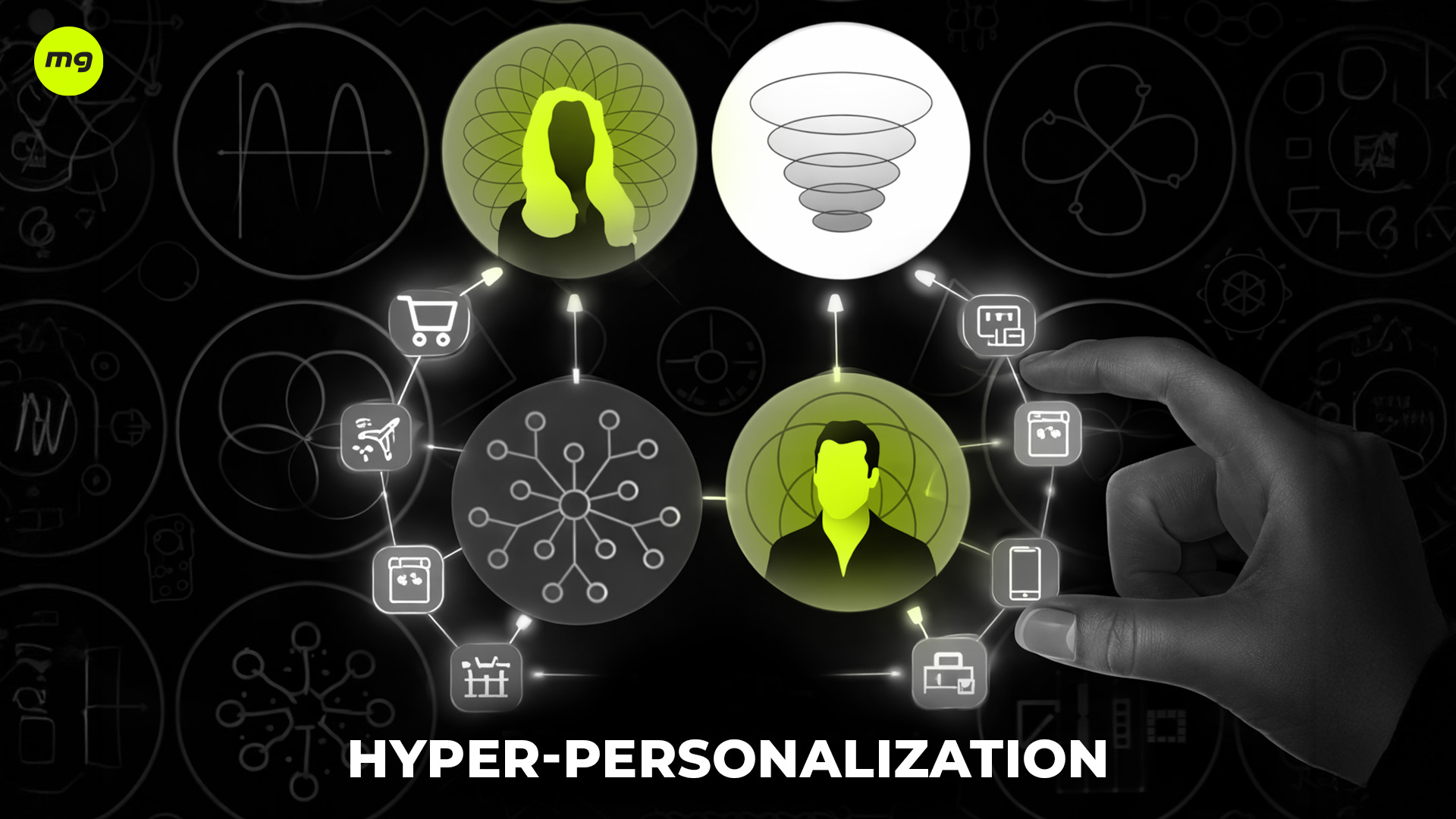
Another major shift in AI in marketing is the move toward hyper-personalized customer experiences. Traditional marketing relied on broad audience segments. Now, brands can personalize messaging for individual users – drawing on browsing behavior, purchase history, engagement patterns, and real-time contextual data.
Streaming platforms cracked this code years ago. Their recommendation engines don’t just suggest content – they predict what you want before you know you want it, dramatically increasing engagement. Digital marketers are now applying the same logic to advertising, email, and web experiences. Hyper-personalization isn’t a nice-to-have anymore. It’s the standard.
>>> Related article: Hyper-Personalization: From Mass Marketing to “Me Marketing”
Trend #3: Predictive Marketing and Customer Intelligence
One of the most powerful AI disruptive changes is predictive marketing. Instead of reacting to customer actions, AI models forecast future behavior.
These models estimate customer lifetime value, churning probability, purchase likelihood, and next best action – giving marketing teams the ability to get ahead of the curve. Retail companies are already using predictive models to identify high-value customers and launch retention campaigns before churn ever happens. That’s not just smart marketing. That’s a different game entirely.
Trend #4: AI-Powered Media Buying
Media buying is another area where AI trends in marketing are transforming operations. Platforms such as Google Ads and Meta rely heavily on machine learning to optimize campaigns. Platforms like Google Ads and Meta now rely heavily on machine learning to optimize campaigns – handling budget allocation, audience targeting, bid optimization, and campaign scaling automatically.
As a result, media planning is shifting away from manual adjustments toward algorithmic decision-making. For marketers, this means the real value lies in strategic inputs: high-quality data, audience insights and creative direction.
Trend #5: AI Agents and Autonomous Marketing
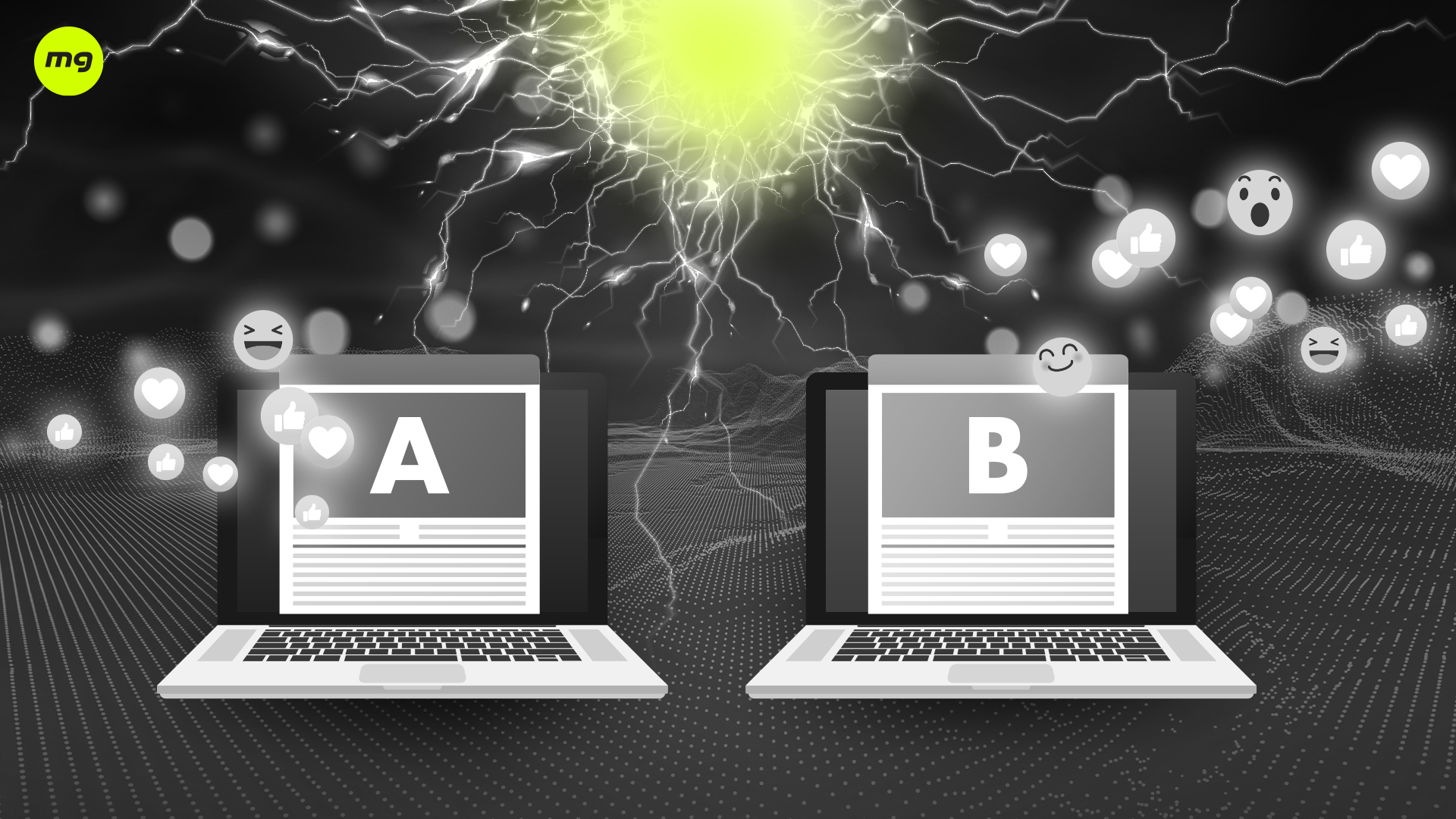
Looking ahead, AI agents may be the next major disruption. These systems can independently run A/B tests, optimize campaigns, generate performance reports, and adjust messaging – without being told to.
Instead of managing dozens of tools, marketing teams may soon work alongside AI agents that handle the operational load entirely. Imagine a system that detects declining ad performance and automatically launches new creative variations – no brief, no back-and-forth, no delay. That’s not science fiction. It’s the direction the industry is heading.
How AI Is Changing Digital Marketing Strategy
While technology drives these changes, the biggest transformation is strategic. In this section, we explore how AI is changing digital marketing and the skills marketers need to succeed.
Marketing Is Shifting From Execution to Strategy
As AI automates operational work, marketers spend less time managing tools and more time making strategic decisions. The modern marketing skillset looks different now: AI orchestration, prompt design, data interpretation, brand storytelling.
At Mueller Group Limited, we often see companies struggle not with technology but with strategy. Tools are widely available, but knowing how to combine them effectively is the real advantage.
Creativity Becomes More Valuable
Ironically, the rise of AI makes human creativity even more important. When machines generate endless content, what stands out is:
- a distinctive brand voice
- cultural relevance
- emotional storytelling
AI can scale production, but it cannot replace authentic brand narratives. Therefore, successful brands combine AI intelligence with human creativity.
Speed Becomes a Competitive Advantage
Another major impact of how AI is changing digital marketing is speed. Traditional campaigns might take weeks to launch. AI-assisted teams can now iterate within hours. This speed changes how brands compete. Companies that test ideas faster can learn faster and win faster. At mg.limited, this mindset aligns with our philosophy: Go the Extra Mile by continuously improving and experimenting.
The Future of AI Marketing
The next phase of AI marketing will likely involve deeper automation and more immersive brand experiences.
Several developments are already emerging:
- Fully autonomous campaign systems that manage marketing end-to-end
- AI-generated brand experiences where customers interact with dynamic content
- Synthetic influencers representing brands across digital platforms
Although these technologies are still evolving, they highlight a clear direction: marketing is becoming increasingly intelligent, adaptive, and data-driven.
>>> Read more: Advertising Agency Industry Trends: How the Industry Is Being Disrupted – and Who’s Winning
Conclusion
The most important AI trends in marketing confirm what we’ve been seeing on the ground: artificial intelligence is no longer a supporting act. It’s the foundation of modern marketing strategy.
But the real advantage doesn’t come from technology alone. Successful brands combine human creativity, strategic thinking, and AI-powered insights, and they know when to lean on each.
At mg.limited, we believe the future belongs to companies willing to experiment, learn quickly, and Go the Extra Mile for their customers. If your brand is exploring how AI can reshape marketing strategy, we would love to explore that journey together.
Because the future of branding is not human or AI. It is human with AI.
FAQ
What are the biggest AI trends in marketing right now?
Key trends include generative AI content creation, predictive analytics, hyper-personalization, automated media buying, and AI marketing agents.
How is AI changing digital marketing?
AI is changing digital marketing by automating campaign optimization, improving targeting accuracy, generating content, and predicting customer behavior.
Will AI replace marketers?
No. AI handles the repetitive and operational. Strategy, creativity, and brand storytelling remain irreducibly human – and matter more now than ever.
What industries benefit most from AI marketing?
Industries with large datasets, such as e-commerce, SaaS, finance, and media; benefit most from AI because data improves predictive accuracy.
How can businesses start using AI in marketing?
Start small: content creation, marketing automation, predictive analytics, advertising optimization. Build experience before you scale. The tools are ready, the question is whether your strategy is.
