
The advertising agency industry trends shaping today’s marketing world feel more like a revolution than a gradual shift. Artificial intelligence is transforming campaign production. Boutique agencies are challenging global networks. And brands now demand faster, smarter, and more measurable marketing advertising strategies.
For decades, large agencies dominated the industry. They owned the creative talent, controlled media buying power, and shaped how brands communicated with the world. But the rules have changed.
At mg.limited, we’ve seen how curiosity and experimentation drive real progress. The agencies thriving today are the ones willing to rethink old systems, explore new technologies, and quite literally “go the extra mile”. So what’s actually disrupting the industry? And more importantly, who’s winning because of it?
The Forces Disrupting the Advertising Industry
The transformation of advertising didn’t happen overnight. Instead, several major shifts have collided at once, accelerating the biggest advertising agency industry trends.
AI Advertising Is Changing the Game
The rise of AI advertising tools is perhaps the most significant disruption. Artificial intelligence can now assist with nearly every stage of campaign creation, including:
- generating ad copy
- producing visual concepts
- analyzing audience data
- optimizing campaign performance
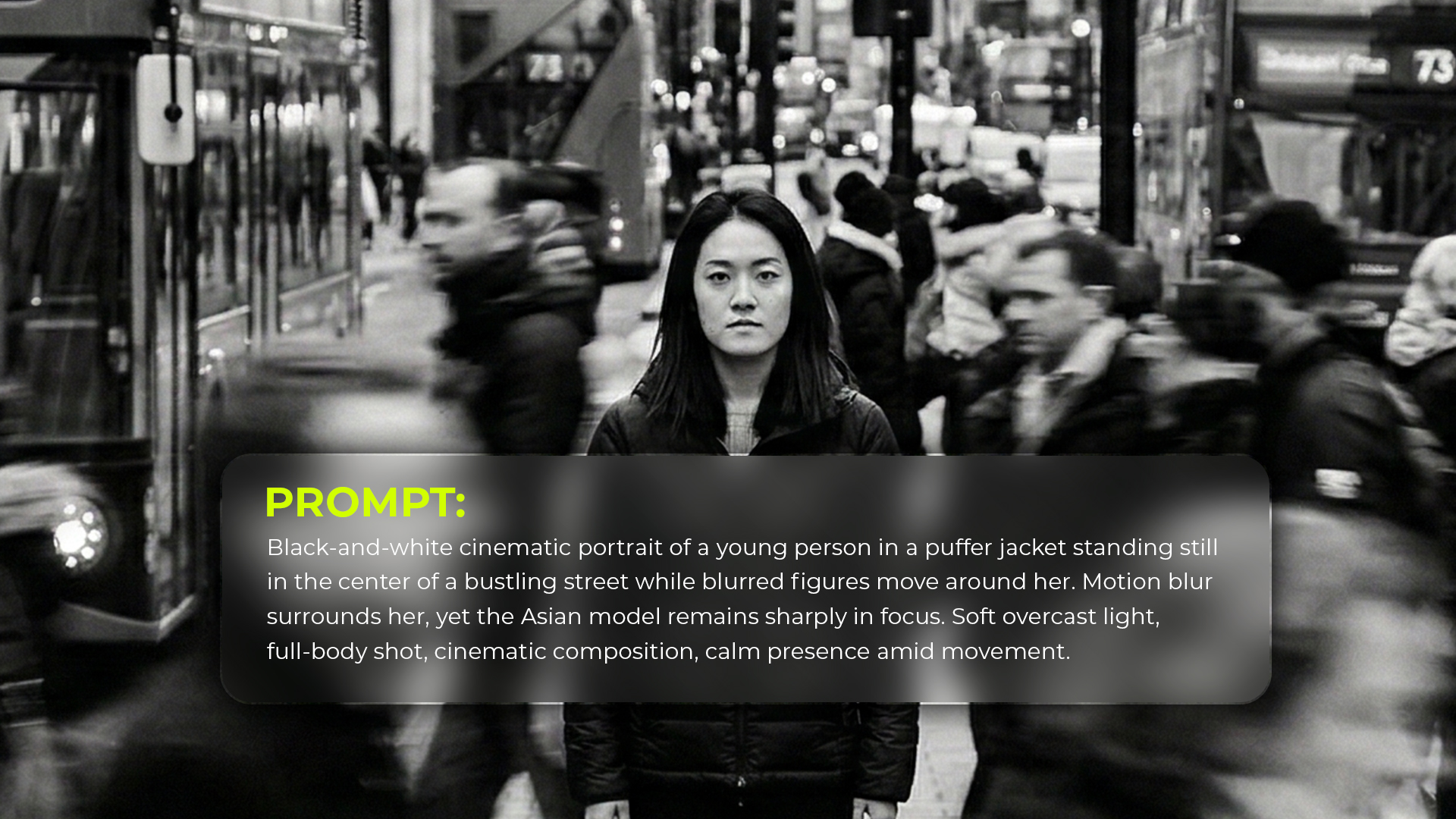
Tasks that once took weeks can now happen in hours. This new speed forces agencies to rethink their value. Creativity alone is no longer enough; agencies must combine creativity with technology and strategy.
Brands Expect More Than Just Creative Ideas
Another major ad trend is the shift in client expectations. Today’s brands want partners who can deliver measurable results – not just award-winning campaigns. Modern clients expect agencies to provide:
- performance-focused strategy
- clear ROI metrics
- fast campaign turnaround
- integrated marketing advertising expertise
Agencies that fail to adapt to these expectations quickly fall behind.
New Agency Models Are Emerging
Traditional agency structures were built for a slower era of marketing. Large teams, multiple approval layers, and rigid departments once made sense. Today they often slow innovation. This is why smaller, agile agencies are rising quickly. Lean teams can experiment faster, adapt to new ad trends, and collaborate more closely with brands.
Key Advertising Agency Industry Trends Reshaping Marketing
Several important advertising agency industry trends are now defining the future of the industry.
1. AI-Powered Creative Workflows
AI is becoming a creative assistant rather than a replacement for human ideas. Creative teams use AI to explore concepts quickly, generate early drafts, and test variations before refining campaigns. The result? Faster creative experimentation and more strategic thinking.
2. Data-Driven Marketing Advertising
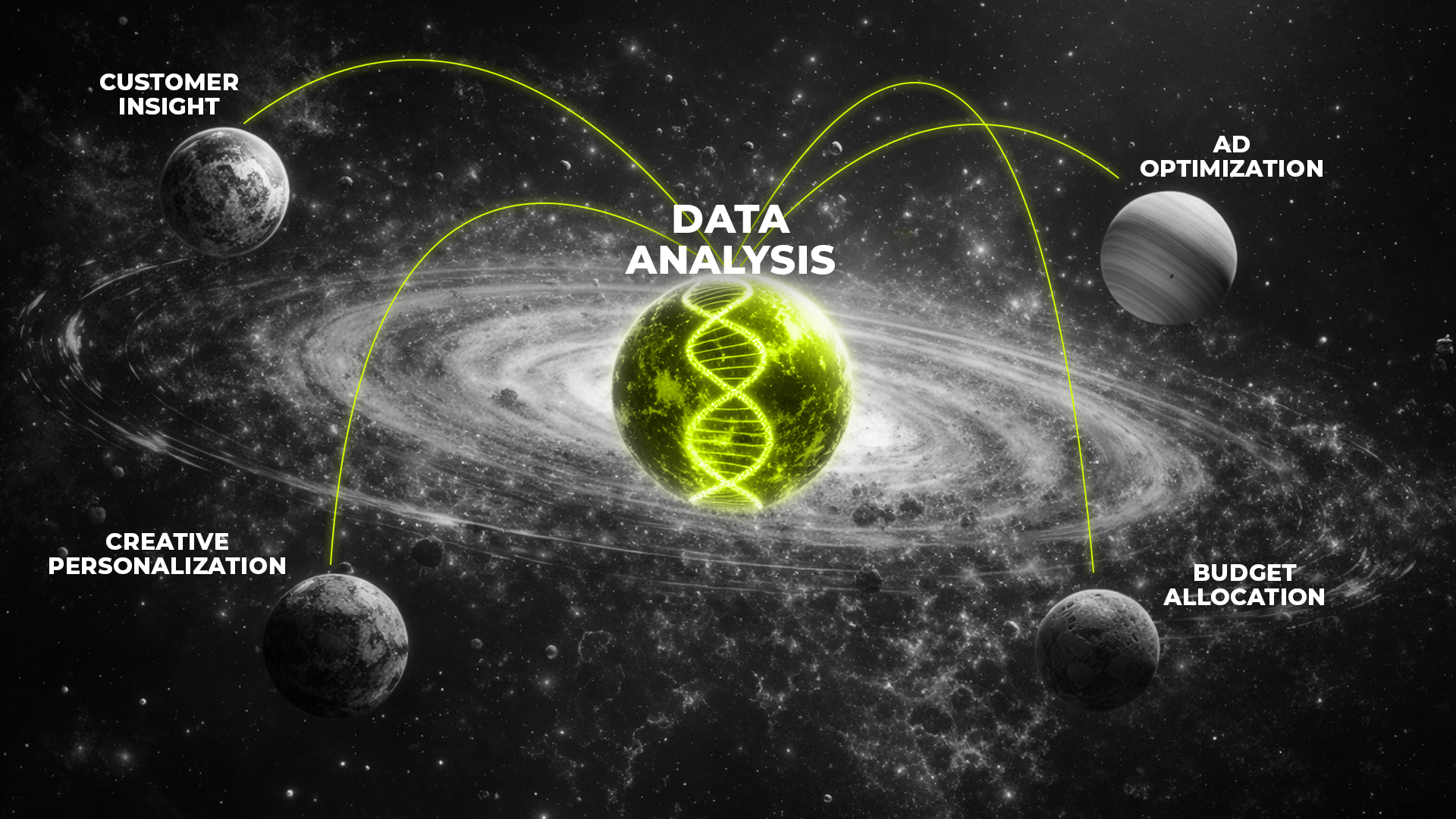
Marketing is becoming more analytical than ever. Agencies increasingly rely on data to understand audience behavior, optimize messaging, and measure campaign impact. The most successful agencies combine storytelling with analytical insight.
3. Integrated Agency Structures
The traditional separation between creative, media, and analytics teams is disappearing. Modern agencies increasingly build integrated teams that handle strategy, creative development, and campaign optimization together. This integration leads to faster decisions and stronger results.
4. Performance-Focused Campaigns
Another major ad trend is the shift toward measurable business outcomes. Brands want campaigns that drive real impact—whether that means revenue growth, customer acquisition, or brand loyalty. Agencies that can connect creativity with measurable performance gain a significant advantage.
Who’s Winning in the New Agency Landscape?
Despite the disruption, many agencies are thriving. In fact, the current wave of change is creating entirely new opportunities.
1. Agile Independent Agencies
Smaller agencies often adapt faster to technology and emerging advertising agency industry trends. Without heavy bureaucracy, they can experiment more freely and deliver faster solutions. This flexibility is incredibly valuable in today’s fast-moving marketing environment.
2. AI-First Agencies
Some agencies are fully embracing AI advertising as a core part of their workflow. These teams combine automation with human creativity to produce campaigns more efficiently and optimize results in real time. Speed and data become competitive advantages.
3. Strategy-Led Creative Agencies
Another winning model is the hybrid agency that blends strategy, technology, and creativity. Instead of simply producing ads, these agencies help brands navigate complex marketing ecosystems. They act less like vendors and more like strategic partners.
>>> You may also like: Agency Retainer vs Pay-Per-Project Model: Which Wins in 2025?
What Traditional Agencies Must Do to Stay Relevant
Large agency networks still have significant strengths—global reach, deep expertise, and strong client relationships. But adaptation is essential.
- Simplifying organizational structures: Complex hierarchies slow innovation. Agencies must streamline teams to compete with faster, more agile competitors.
- Embracing AI Advertising: AI isn’t a threat – it’s a tool. Agencies that integrate AI into their workflows can produce better insights, faster campaigns, and more effective results.
- Focusing on business outcomes: Modern clients measure success through impact. Agencies must demonstrate how their work drives growth, not just creativity.
The Future of Advertising Agencies
Looking ahead, the next phase of advertising agency industry trends will likely blur the lines between agencies, technology companies, and creative studios. Several developments appear inevitable.
AI advertising will become standard across the industry. Automation will handle repetitive production tasks while human teams focus on strategy and storytelling. Agencies will increasingly act as creative consultants rather than just campaign producers. And brands will continue searching for partners who can help them navigate a constantly evolving marketing landscape.
Conclusion
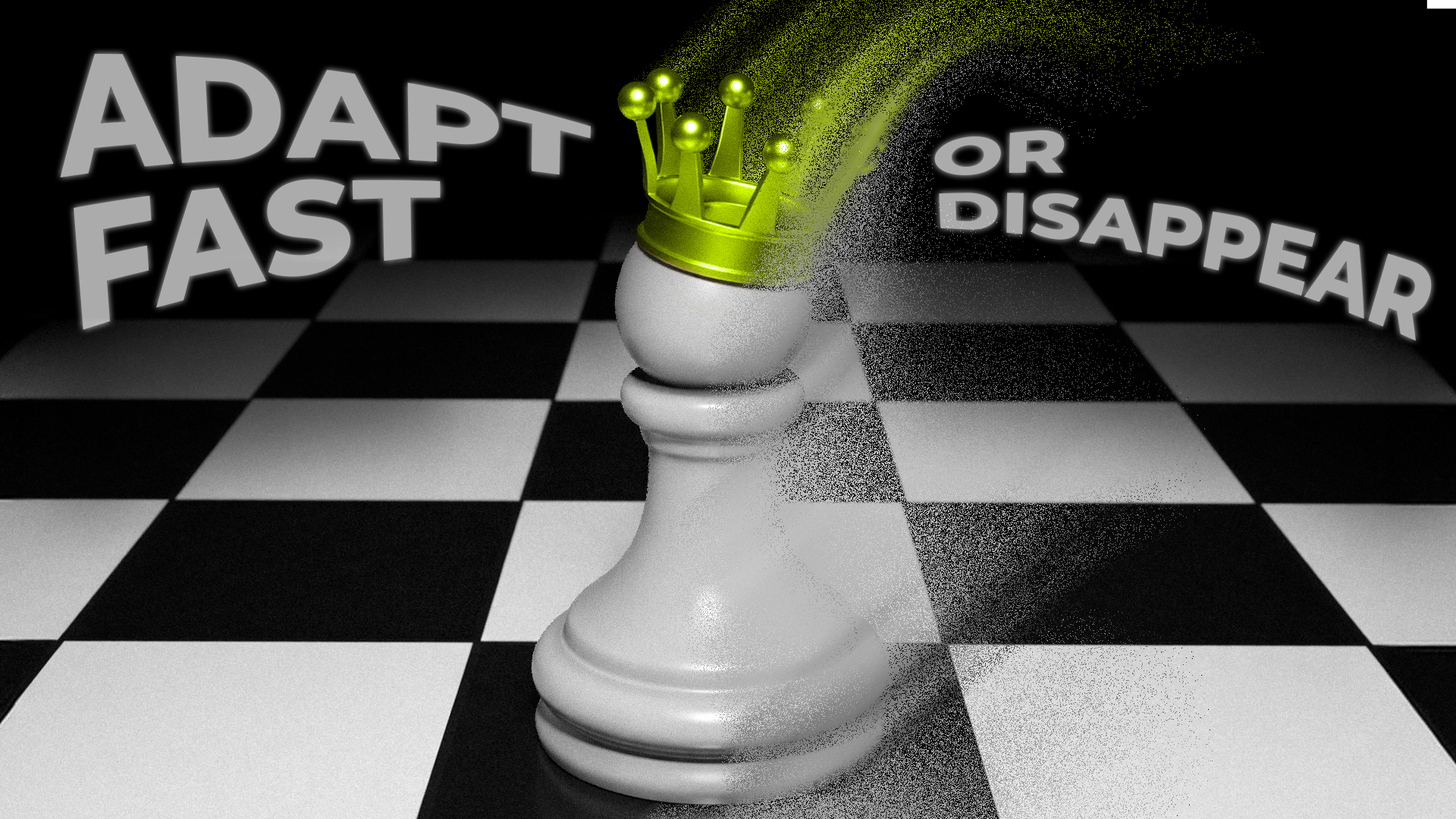
The advertising industry isn’t disappearing – it’s transforming. The biggest advertising agency industry trends reveal a shift toward agility, technology, and measurable results. Agencies that adapt quickly to AI advertising, evolving ad trends, and new client expectations are gaining momentum.
At mg.limited, curiosity drives everything we do. Innovation happens when people challenge assumptions, experiment boldly, and push beyond comfortable limits. Because in this industry, the winners are rarely the biggest players. They’re the ones willing to go the extra mile.
>>> Ready to explore the next chapter of marketing with us? Let’s build something remarkable together!
