
Brand identity design used to be a simpler affair: a logo, a color palette, a style guide, and you were done! That was enough when brands had fewer places to show up and fewer ways to interact with audiences.
Today, a brand that cannot move, adapt, or speak consistently across a dozen touchpoints is quietly losing ground. Expectations have changed, and traditional identity systems are struggling to keep up.
At Mueller Group Limited, we think this shift matters, especially for founders and marketers currently evaluating a branding agency. It changes what you should ask for and what you should be skeptical of.
Brand Identity Design is no longer a logo problem
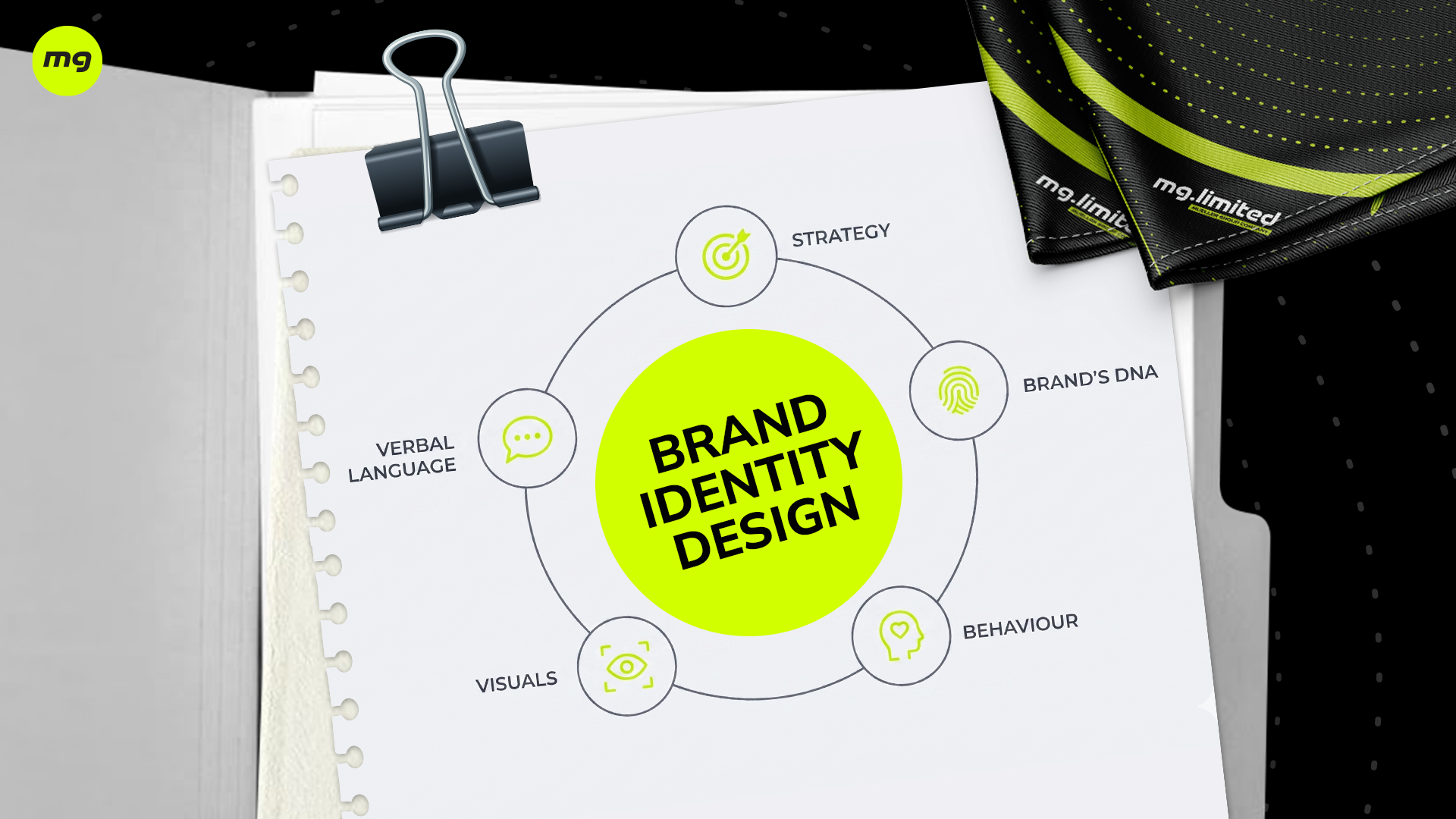
For most of the last two decades, branding and identity design was understood as a visual output. However, in 2026, that definition is better understood as a system. It is the sum of everything a brand looks like, sounds like, moves like, and feels like across every context a person encounters it, for instance, visual design, verbal language, motion behaviour, and strategic logic holding them together.
According to a 2026 report by Tech Authority, 90% of U.S. consumers want to trust a brand before buying from it. Trust is not built by a logo. It is built on consistency across every moment of contact and consistency at that scale requires a system, not a mark. We have posted an article about this topic.
>>> Read more our related article: Brand Identity Meaning: Say One Thing but 1,000 Times
The 03 Shifts Rewriting Branding and Identity Design in 2026
The market has not shifted in one direction. It has shifted in three at once. Understanding each one changes what capable branding looks like, and by extension, what questions are worth asking before you commit to any agency.
Shift #1 – From static assets to adaptive visual identity design
The most significant structural change in visual identity design is the move away from fixed assets toward systems built for adaptation. A logo that once lived as a single locked file now needs to function across contexts the original designer never imagined: app icons, short-form video frames, AR overlays, dark mode interfaces, motion-triggered digital surfaces.
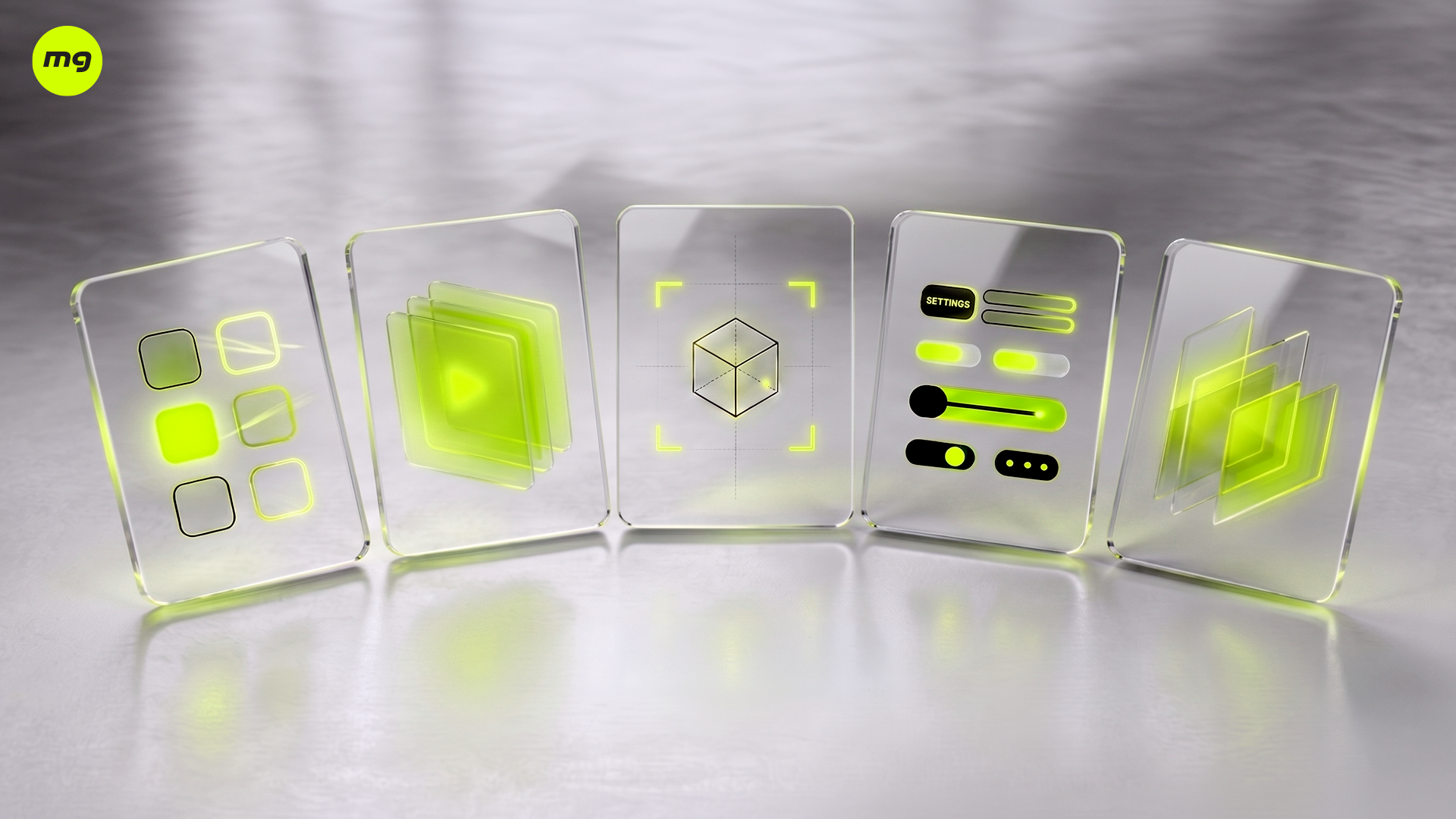
The Branding Journal (January 2026) describes this clearly. Logos and visual systems are moving away from being fixed and rigid. Instead, they adapt, move, and respond to different contexts, screens, and environments.
YouTube’s 2026 visual identity refresh is the clearest real-world example. The platform built its first motion identity system from scratch, treating motion not as decoration but as a foundational design layer, built to scale across web, iOS, Android, smart TVs, gaming consoles, and connected devices.
Shift #2 – From generic polish to deliberately human branding graphic design
The democratization of AI design tools produced a paradox. The easier it became to generate polished, technically correct visuals, the less those visuals communicated. Audiences in 2026 have developed a strong instinct for content that feels manufactured, and they are scrolling past it faster than before (Hedge Think, May 2026).
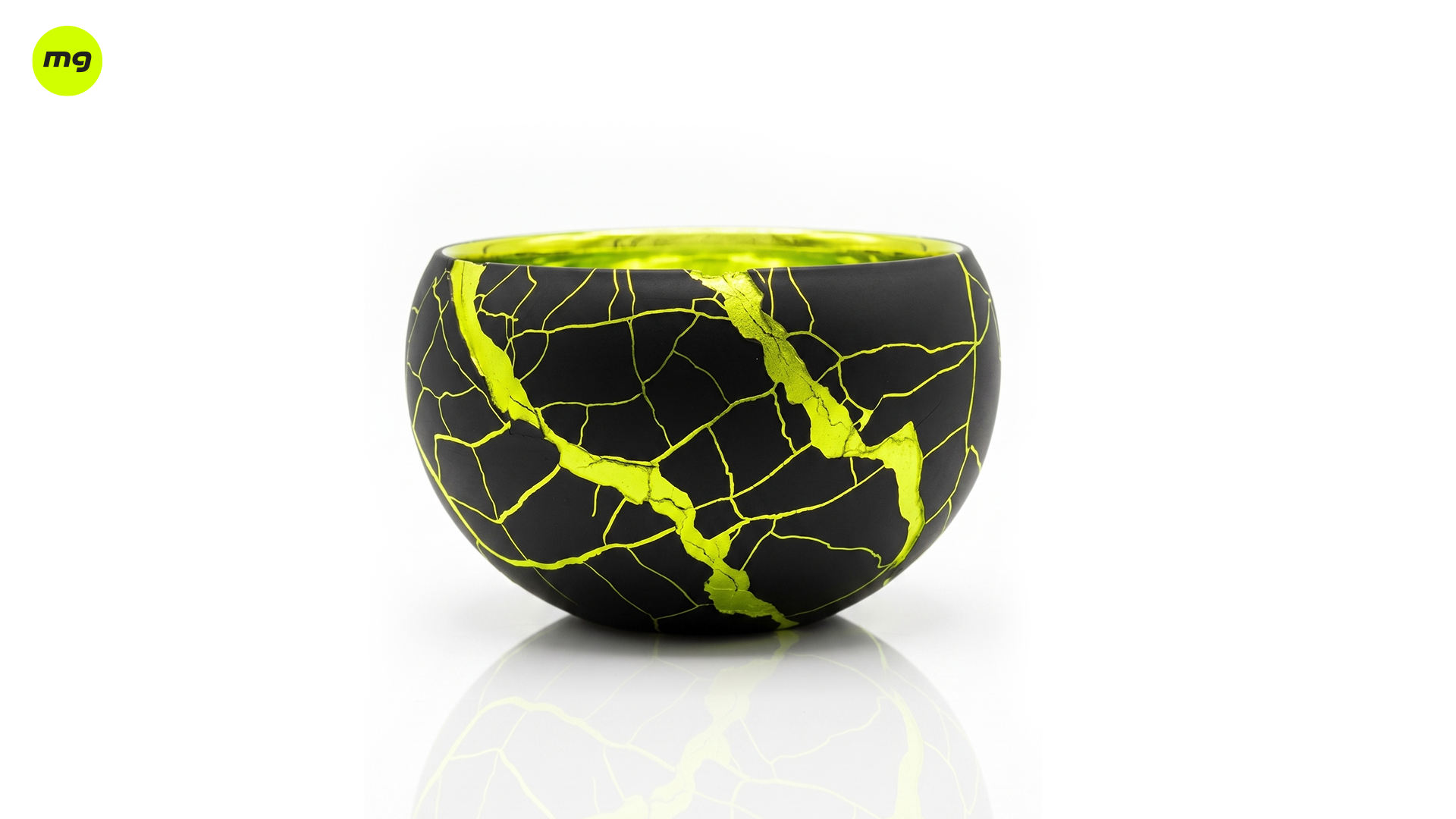
The response from brands that are paying attention has been intentional imperfection. Specificity, even when slightly imperfect, communicates something generic polish cannot.
In the context of branding graphic design, this does not mean every brand should look rough. It means the brands standing out in 2026 are the ones that chose to look like themselves instead.
Shift #3 – From visual-only to verbal and visual as one system
Branding graphic design has historically been treated as a visual discipline. What 2026 makes clear is that a brand without a coherent verbal identity is only half-built.
Verbal identity, meaning the tone, language patterns, and messaging logic a brand uses consistently, does not sit alongside visual identity as a separate department. It operates as the same system from a different angle.
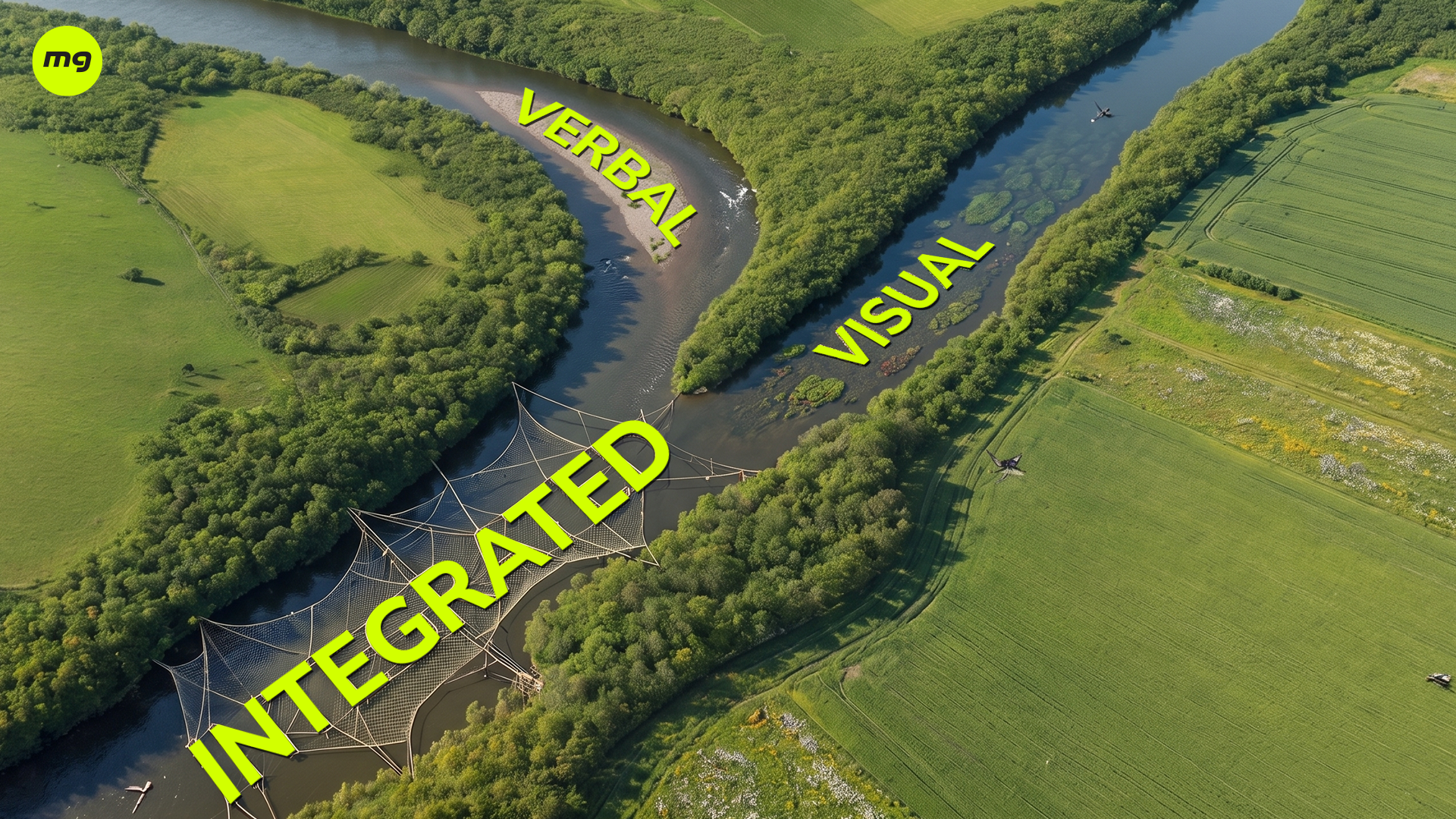
The visual work carries the structure. The verbal work carries the meaning. When the two are aligned, every touchpoint reinforces the same impression. When they are not, the brand reads as inconsistent, even if the logo is excellent.
Vocal Media reported in April 2026 that purpose-driven brands unifying both visual and verbal identity grow two to three times faster, because 64% of buyers choose brands aligned with their values.
What Complete Branding and Identity Design Looks Like When It Works
A well-constructed brand identity in 2026 runs across four interconnected layers. Think of them less as departments and more as one structure with four load-bearing walls.
- Strategy: It defines positioning, audience, differentiation, and the reason the brand exists in a way competitors cannot simply copy. Without this, every design decision that follows is arbitrary. It may look good. It will not hold.
- Visual identity: Logo, typography, color logic, motion behavior, graphic language, and the rules governing how all of these flex across formats. In 2026, this includes dark mode, animation, and digital-first environments as core considerations, not afterthoughts.
- Verbal identity: This is what determines whether the brand sounds consistent across a website, a pitch deck, a social caption, and a client email. Most branding projects do not include this. That gap shows up immediately in use.
- Touch points: How the identity comes to life at actual touchpoints: website, social content, pitch materials, packaging, onboarding, customer communications.
These four layers work as an interconnected system. Each one depends on the others. An agency that scopes only one or two of them is not delivering branding and identity design. It is delivering assets.
What This Means If You Are Hiring a Branding Agency
Understanding the 03 shifts above changes what your branding brief should contain, and what a capable agency should be able to answer before you commit.
Ask whether the scope includes brand strategy or only visual deliverables. Ask how the identity will function in motion environments, not just static formats. Ask whether verbal identity, tone of voice and messaging are part of the engagement. Ask how the system will scale as the brand grows across new channels. And ask, specifically, what the agency does to ensure consistency after delivery.
That last question separates the most capable partners from the rest. The agency that can answer it with a concrete model, not a reassurance, is the one operating at the level this moment requires.
Conclusion
Brand identity design in 2026 is not what it was in 2021. The shift from static to adaptive visual identity design, from generic polish to deliberately human branding graphic design, and from visual-only to verbal and visual as one unified system, is not a trend cycle. It is a structural change driven by real audience behavior and real technology, and it is not going to reverse.
For founders who want the identity to compound rather than erode, [mg.limited]’s marketing subscription model addresses exactly that gap. If you are building a brand that needs to be more than a logo, we would like to hear about it. Ready to go the extra mile with your brand? Let’s book a call with us!
Frequently Asked Questions
1. What is the difference between a logo and a brand identity?
A logo is a single mark. A brand identity is the complete system of visual, verbal, and strategic components that make a brand consistent and recognizable across every context. The logo is where most people start. The identity is what determines whether the brand holds together.
2. How has branding and identity design changed in 2026?
Three structural shifts: identity systems are now adaptive rather than static; deliberately human and imperfect aesthetics are replacing generic AI-polished design; and verbal identity is being treated as inseparable from visual identity. Brands that separate these elements tend to produce inconsistent experiences.
3. What is a Marketing Subscription and how does it relate to brand identity?
A Marketing Subscription is an ongoing creative and strategic engagement rather than a one-off project. For SMEs, it solves the most common post-branding problem: the identity drifts after delivery because no one is maintaining it. A subscription keeps strategy, visual output, and verbal consistency aligned over time.
