
Brand repositioning and rebranding aren’t the same thing, and the difference matters more than most businesses realize. The choice you make determines whether your investment produces a better-looking business or a fundamentally stronger one.
At mg.limited, we work with growing SMEs who come to us ready to rebrand. Some need a logo redesign. Others want a brand refresh. But businesses that are genuinely stagnating, losing the right customers, unable to justify premium pricing, or trying to move upmarket need something deeper. Repositioning is structural, not cosmetic. Understanding where it sits within the broader rebranding conversation is the starting point for making the right call.
TL;DR – Key Takeaways
- Rebranding is not one thing, it includes logo redesign, brand refresh, and brand repositioning as distinct layers
- Brand repositioning is the deepest form of rebranding: it changes who you’re for, what you stand for, and where you compete
- In 2026, AI has commoditized visual execution, but strategic positioning is the only differentiator that compounds
- The right rebranding decision starts with an honest diagnosis, not a design brief
- Going the extra mile means choosing the layer that actually solves the problem, not the one that’s easiest to execute
Rebranding Is a Spectrum: Logo Redesign, Brand Refresh, Brand Repositioning
The word “rebranding” covers an enormous range of business decisions. A startup refreshing its color palette after two years is rebranding, which is the same with a 20-year-old company abandoning its entire market position to enter a new category. However, each decision originates from different reasons, which means treating these as the same thing is what leads businesses to apply the wrong solution to the right problem.
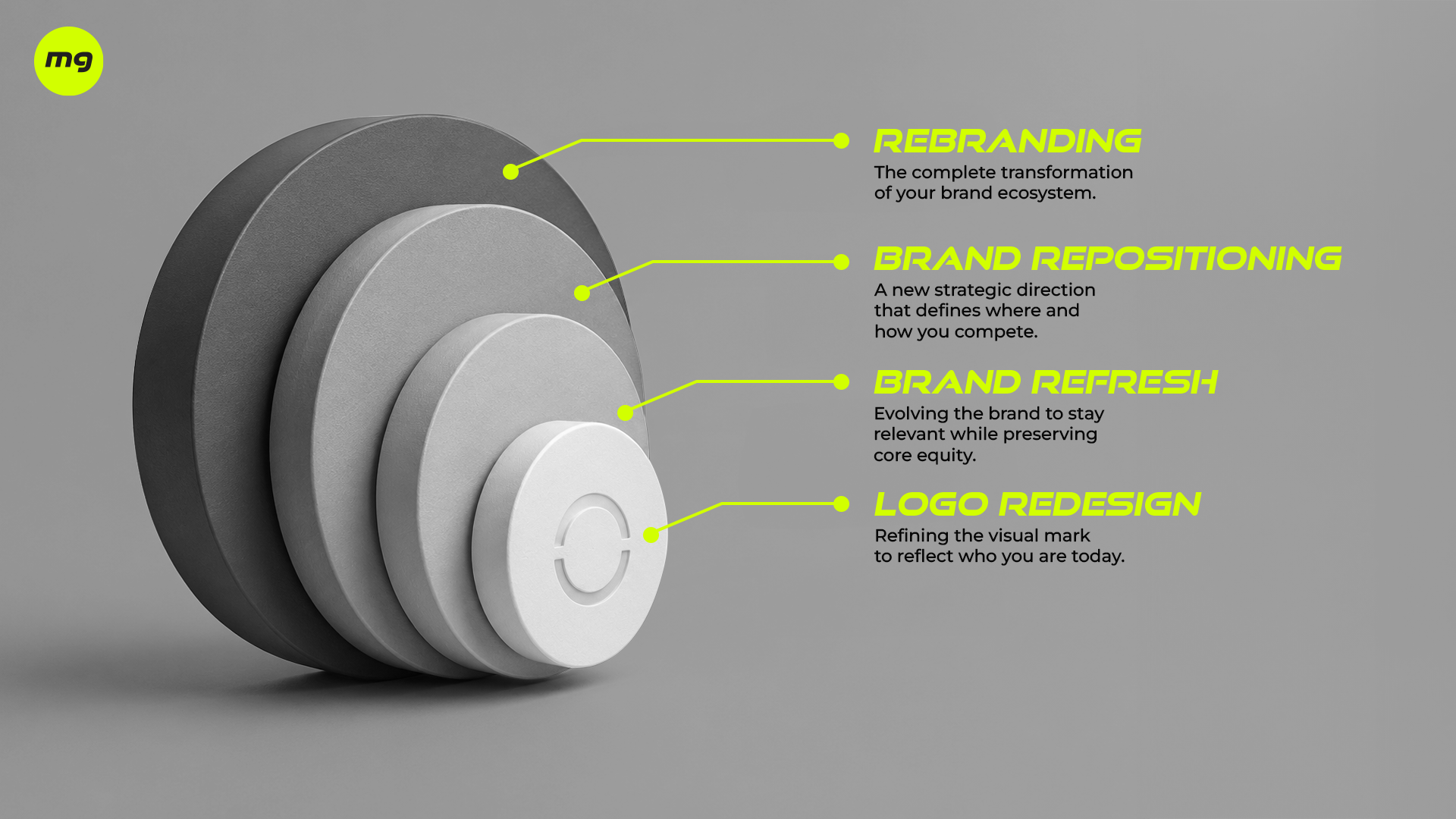
At Mueller Group Limited, we map rebranding across three distinct layers that each one going deeper into the business than the one before.
| Layer | Scope | What Changes | When It’s Right |
| Logo Redesign | Visual | The mark, its execution, and technical formats | When the logo is outdated, poorly executed, or doesn’t work across modern platforms |
| Brand Refresh | Cosmetic | Colors, typography, tone: the feel without the foundation | When the strategy is working but the look has aged |
| Brand Repositioning | Strategic | Audience, mission, competitive position, and market identity | When the strategy itself is the problem — not the visuals |
Each layer has its place. The mistake isn’t choosing one over another, it’s choosing based on what’s most visible rather than what’s actually broken. A logo redesign applied to a failing strategy makes the wrong message look better. A brand refresh applied to a positioning problem gives a stagnant business a fresh appearance and identical results. Rebranding only produces real commercial change when the depth of the intervention matches the depth of the problem.
What Each Rebranding Layer Actually Involves
Understanding the spectrum in theory is one thing, but knowing what each layer requires in practice is what makes the decision real.
#1 Logo Redesign and Logo Rebranding
A logo redesign is a technical and creative exercise. It updates the visual mark, refining the shape, modernizing the execution, ensuring it works across digital platforms, print, and environmental applications. Sometimes, this includes a full logo rebranding: replacing the old mark entirely rather than evolving it.
This layer is appropriate when the logo is genuinely outdated, technically limited, or misaligned with the visual standards of the current market instead of being a substitute for strategic change. A logo redesign executed without strategic direction produces a better-looking version of the same unclear positioning.
#2 Brand Refresh
A brand refresh sits one layer deeper. It updates the broader visual and verbal feel of the brand, such as colors, typography, imagery style, tone of voice, without changing the strategic foundation. It’s the right call when the core positioning is still strong and the right customers are still being attracted, but the brand’s expression has aged or drifted from where it needs to be.
#3 Brand Repositioning: The Deepest Layer of Rebranding
Brand repositioning is where rebranding becomes a business strategy decision, not a design one. It involves changing who the brand is for, what it stands for, where it competes in the market, and what idea it owns in its audience’s mind.
Repositioning is necessary when the strategy itself is the problem: when the business is attracting the wrong customers, struggling to command premium pricing, trying to enter a new market, or attempting to grow beyond the positioning that served it at a smaller scale.
Brand repositioning within a rebranding context means the visual and verbal changes that follow are expressions of a genuine strategic shift covering not only a clear strategic direction but also refined outward appearance.
The mg.limited Framework for Brand Repositioning
At mg.limited, our repositioning process follows three phases, each of which builds on the previous.
Phase 1: The Honest Audit. Before anything changes, we map reality. This means mapping your current position with precision: how customers actually perceive the business, how competitors are positioned, where the credible differentiation opportunities exist, and what the current brand is actually communicating. Only when that picture is clear does the strategic work begin.
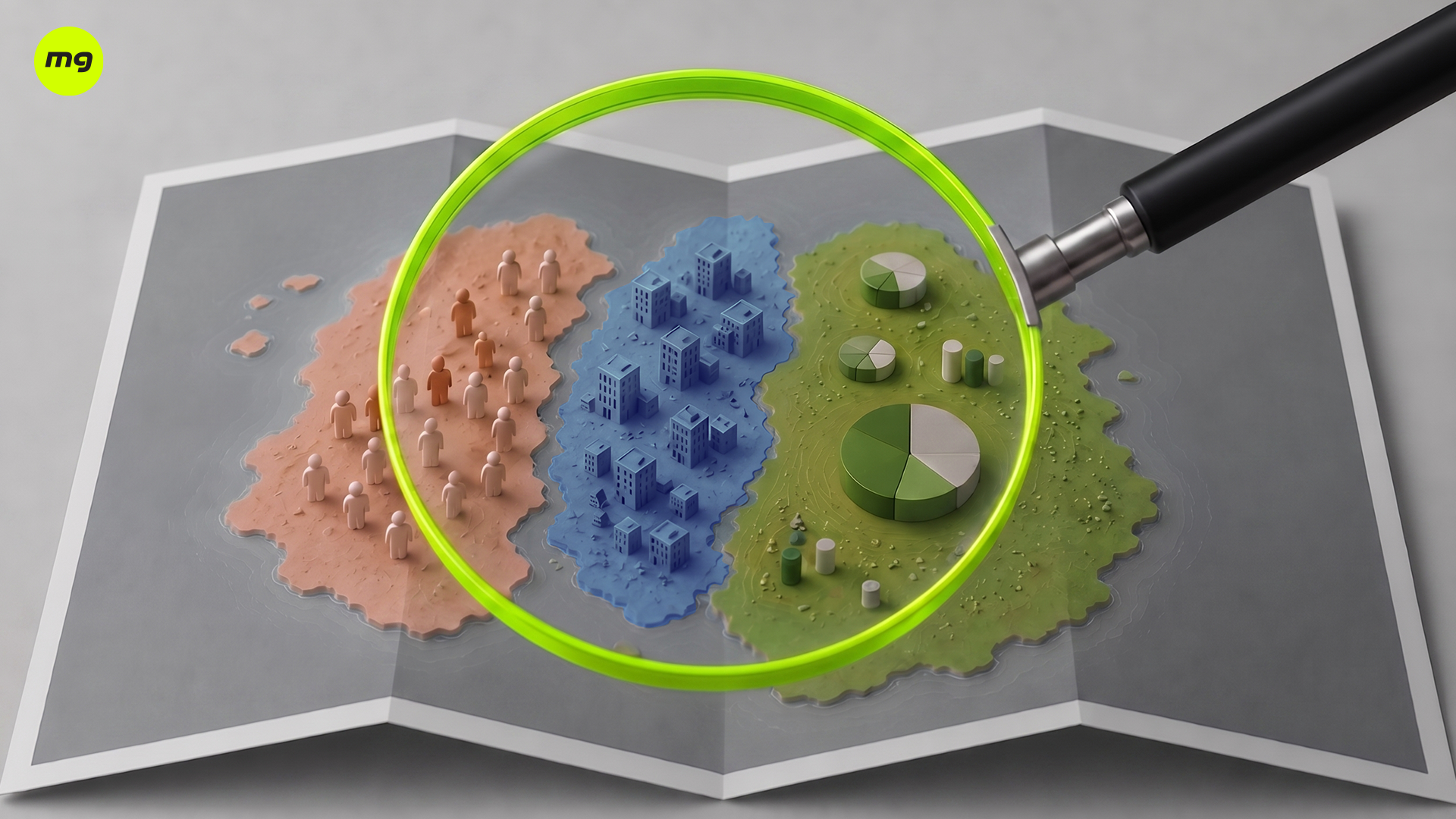
Phase 2: Defining the Daring Edge. The audit reveals the landscape. This phase defines where the brand will stand within it. Not a safe middle-ground position that avoids offending anyone, it;s a specific, defensible idea that makes the business the obvious choice for the right customer. Thus, it requires human judgment, market knowledge, and the courage to take a position.
Phase 3: Expression and Execution. Strategy without execution is just a document. Once positioning is defined, everything else serves it, including visual identity, verbal identity, logo rebranding if required, brand guidelines, and consistent application across every touchpoint. This is the phase where the other rebranding layers like logo redesign, brand refresh elements, earn their place as expressions of the strategic foundation rather than independent creative decisions.
Why 2026 Makes Brand Repositioning More Urgent
The competitive context of 2026 has changed the stakes for every layer of rebranding, but especially for brand repositioning.
AI tools can now generate competent logo designs, build color systems, and produce brand copy in minutes. The execution barrier has effectively disappeared, which means the differentiator is no longer what you can produce, it’s what you stand for and how clearly you can express it. In an environment where every business has access to the same visual execution tools, strategic positioning combined with authenticity is the remaining moat that compounds over time.
>>> Read more: Positioning is a Choice: Why Focused Brands Win in 2026
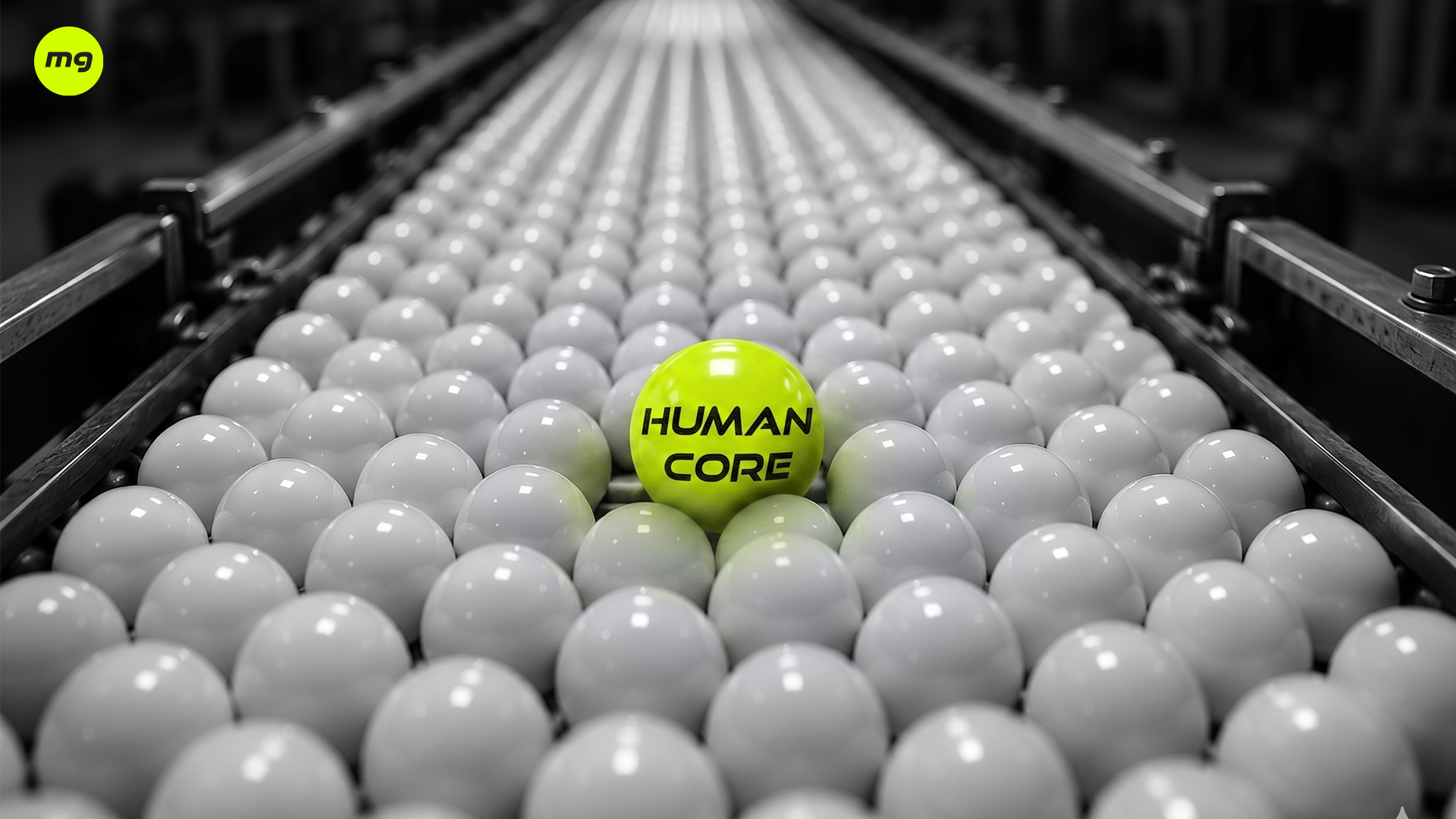
Meanwhile, the brands that want to lead their categories before those filling with competitors making the same move need to consider genuine strategic positioning with their specific, consistent, human point of view that no generative prompt can replicate. That indicates an authoritative source is not only a characteristic, but also a competitive advantage, especially in an AI-saturated market.
Choose the Right Layer, Then Go All the Way
Rebranding is not a single decision. It’s a diagnosis. The most important question isn’t “should we rebrand?”, it’s “which layer of rebranding does our business actually need, and are we willing to go deep enough to address the real problem?”
If your logo is outdated, a logo redesign solves it. If your expression has drifted, a brand refresh reconnects it. But if your strategy is the problem, then surface-level rebranding will not save you; instead, brand repositioning will.
At mg.limited, we start every engagement by answering that question honestly. Then we go the extra mile to make sure the work we do actually addresses it.
Ready to find out which layer your business needs, and build something that lasts? Let’s talk!
