
What does thought leadership meaning actually demand from the person behind the content? Not the tactics, not posting schedules or format hacks, but the real question most content advice never asks.
At mg.limited, we sat down with our CEO, Olaf Mueller, founder, brand strategist, and the force behind the “Go the Extra Mile” philosophy, to find out. What emerged wasn’t a framework. It was a different way of thinking about influence, one that starts long before you open LinkedIn.
What Thought Leadership Meaning Looks Like for CEOs
In reality, thought leadership meaning is not about posting insights or building a personal brand on the surface. As Olaf shared with us, it is about “setting a good example in how you run a business whether in strategy, culture, or marketing, in all aspects of operating a business, so others can reference you as a good use case.” That perspective shifts everything.
Thought leadership is not something you claim. It’s something people assign to you after seeing consistent results.
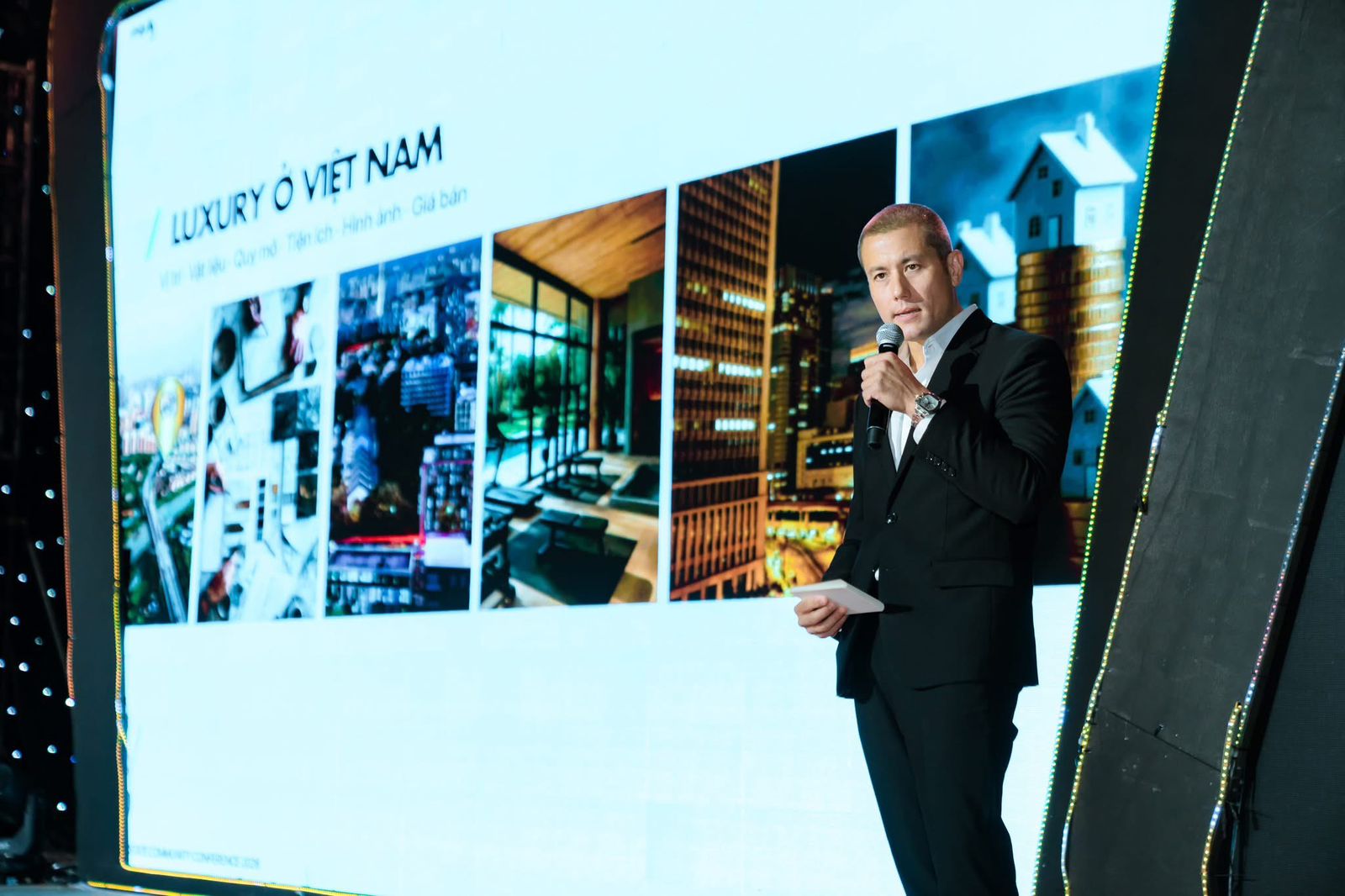
It’s also never generic. Bill Gates earns attention for structured thinking. Elon Musk for bold execution. Same label, entirely different reasons. Because every leader operates differently, and real thought leadership reflects that difference.
More importantly, there is a level of responsibility that comes with visibility. When a CEO grows in influence, more people watch their actions, not just their words. “So you have to always be a good role model. That’s thought leadership meaning in practice,” Olaf says. That’s why leadership marketing today is deeply tied to behavior. You are not just communicating ideas, you are modeling them.
Why LinkedIn Wins for Thought Leadership Meaning
Once we understand that thought leadership comes from real experience, the next question becomes where to express it. For Olaf, LinkedIn has naturally become the dominant platform for this.
“LinkedIn is the Facebook of business leaders,” he highlights. It is where professionals showcase their thinking, achievements, and perspectives in a context that feels relevant. Compared to personal blogs in the past or platforms like Instagram that can support storytelling, the shift toward LinkedIn reflects where attention has moved.
The real advantage is not just reach. It is alignment. The platform rewards insight-driven content and consistent engagement, which makes it ideal for LinkedIn thought leadership. LinkedIn remains the most efficient channel for building authority.
A Practical Framework for CEO Thought Leadership
At mg.limited, we often simplify this into a repeatable system, but in reality, it mirrors something much deeper: discipline over time. The platform is crowded, and without consistency, even strong ideas disappear.
From experience, standing out requires a combination of frequency and relevance. “It’s like half a full-time job,” Olaf says. “You have to post two to three times a week, at certain windows,” and staying within a clear domain are all part of the process.
More importantly, content must stay aligned with audience expectations. It starts with defining a clear focus. For example, a CEO in marketing should consistently talk about “advertising, branding, strategy, and communication”, rather than trying to cover every topic. This creates a strong association in the audience’s mind.

From there, content naturally evolves from personal experience. This keeps the content grounded and relevant, which means consistency then becomes the most critical factor.
However, consistency, Olaf argues, is also the most misunderstood variable. He compared this to training in sports, “I trained hard this week doesn’t mean I can do the same next week. It takes time.” Progress happens over time, often without visible change at the beginning. The same applies to LinkedIn thought leadership. You may not see engagement immediately, but consistent effort compounds.
Common Mistakes CEOs Make on LinkedIn
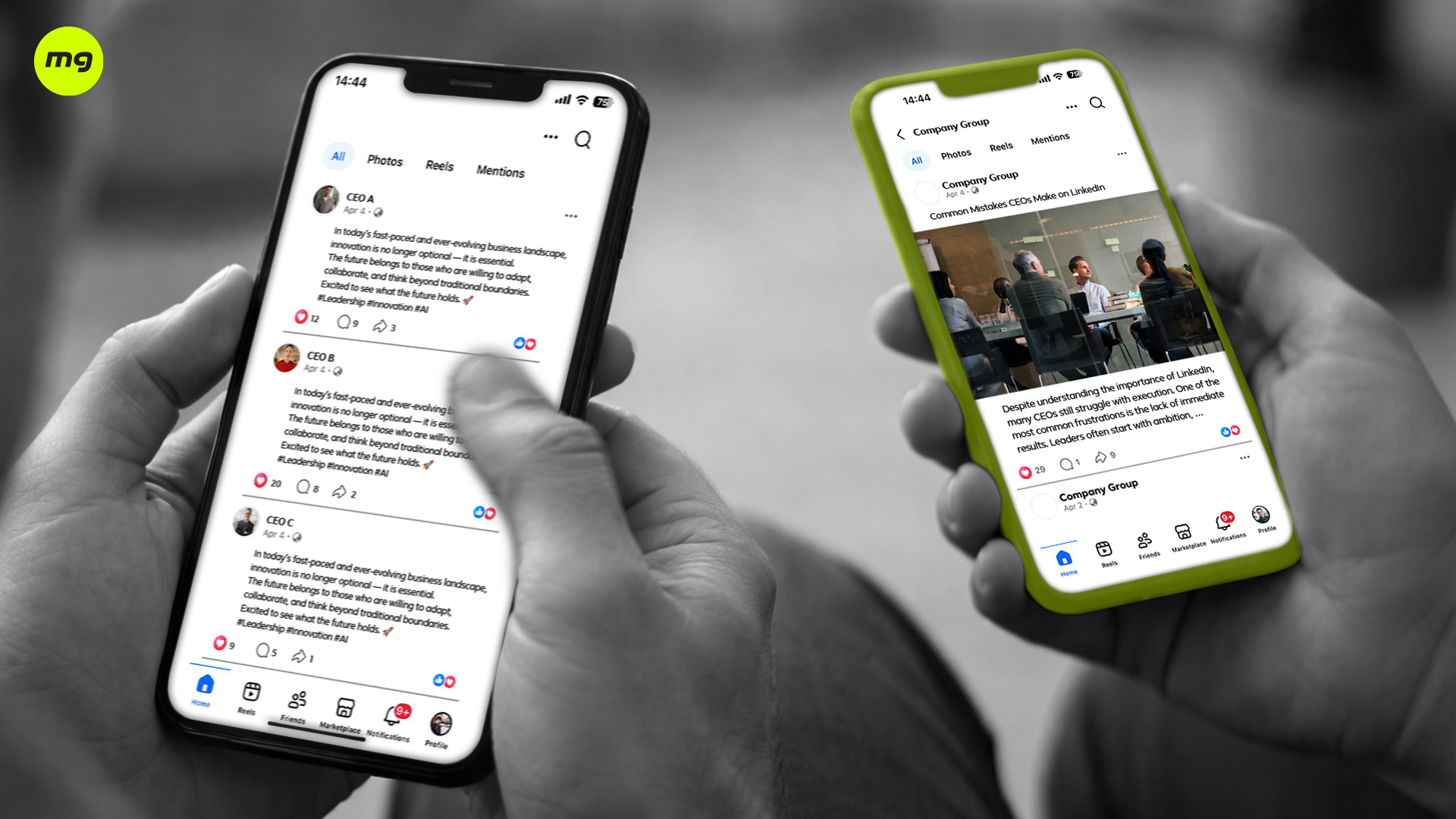
Despite understanding the importance of LinkedIn, Olaf observes many CEOs still struggle with execution. One of the most common frustrations is the lack of immediate results. Leaders often start with ambition, expecting strong engagement, only to receive little response. This leads to inconsistency or even stopping altogether.
Another major issue is underestimating the level of effort required. Building visibility is not a side activity. It requires ongoing commitment, similar to a part-time role. Without that consistency, it becomes difficult to break through the noise.
There is also a growing challenge with AI-generated content. “AI makes it very easy to create content,” Olaf says, so it often leads to generic messaging, which makes content “less authentic, less unique”. Audiences can quickly recognize content that lacks real perspective.
Leadership Marketing Through LinkedIn Thought Leadership
This is where leadership marketing becomes real. A CEO’s personal brand is not separate from the company, it is embedded within it.
In our experience at Mueller Group Limited, the most effective leaders align their personal philosophy with their business approach. Olaf connects “personal branding lives in the agency through the tagline, Go the Extra Mile,” using sports as a metaphor for discipline, consistency, and growth.
This philosophy is not just content, it shapes how the business operates internally and how it is perceived externally, reflecting back into “how we run the business.” That alignment between personal conviction and professional expression is what gives leadership marketing its lasting credibility.
The Future of Thought Leadership Meaning
Looking ahead, the role of AI will continue to reshape thought leadership. It not only lowers the barrier to content creation but also increases the risk of sameness.
As Olaf pointed out, AI can make leaders “lazy in reflecting on what they truly want to share.” When content becomes too easy to produce, it often loses depth and originality. This creates an interesting paradox: while more content is being created, truly distinctive voices become more valuable.
In the future, what becomes rare is genuine perspective backed by real experience. The leaders who stand out will not be those who post the most, but those who remain authentic. Clear thinking, personal experience, and consistent perspective will become even more important as filters against generic content.
Conclusion
LinkedIn thought leadership isn’t about chasing visibility. It’s about becoming the kind of leader worth paying attention to.
CEOs never set out to become a thought leader. They focus on improving their business, their thinking, and themselves every day, “I want to make the business 1% better than yesterday.” Over time, that consistency builds something others recognize and respect.
At mg.limited, we believe going the extra mile is not about doing more for attention. It is about pushing yourself to grow, even when no one is watching, because when you focus on growth, recognition follows naturally.
So instead of asking what to post next, ask yourself what you actually stand for, then keep showing up with that, long before it starts getting noticed.
FAQ
What is thought leadership meaning for CEOs?
It is the result of consistently demonstrating expertise and leadership through real actions and insights over time.
Why is LinkedIn important for CEO branding?
LinkedIn connects leaders with a professional audience, making it ideal for building trust and authority.
How often should CEOs post on LinkedIn?
Posting two to three times per week helps maintain consistency and visibility.
What content works best for LinkedIn thought leadership?
Content based on real experience, clear perspectives, and consistent themes performs best.
Can thought leadership drive business results?
Yes, it builds trust over time, which leads to opportunities, partnerships, and growth.
