
Green marketing (or “marketing xanh”) used to be a shortcut to trust. Today, it is being questioned. Consumers still care about sustainability, but they no longer accept claims at face value.
At mg.limited, we see that trust is no longer given, it must be proven. This article looks at why green marketing is entering a skepticism era, what caused it, and what brands need to do next. Because when the rules change, brands should not sit still but go the extra mile.
Green Marketing: From Promise to Skepticism
Green marketing was built on a simple idea. According to Investopedia, green marketing / “marketing xanh” means promoting products for their environmental benefits. For example, green brands may highlight recyclable packaging, reduced carbon emissions, or sustainable sourcing in their green advertising to influence consumer decisions.
At its core, green marketing is not just about selling a product. It is about framing that product as a better choice for the planet, and therefore a better choice for the consumer. When done right, it helps translate complex sustainability efforts into something people can understand and act on, while also helping green brands stand out in competitive markets.
In its early stage, this approach worked because it created clarity. However, as more brands adopted the same language, that clarity began to fade. The turning point came when consumers started to notice the gap. The more brands promised, the more people questioned. That gap did not just create doubt, it reset expectations.
Why Green Marketing Is Losing Trust
Trust in green marketing did not collapse overnight. It eroded over time as both consumers and the system around them evolved. What once worked as a signal of responsibility gradually became a source of doubt. To understand why, we need to look at two forces happening at the same time: a shift in consumer mindset and a shift in how transparency and proof are expected.
The Rise of the Skeptical Consumer
Consumers did not lose interest in sustainability or green marketing. Their behavior simply evolved. Instead of accepting messages at face value, they verify them. Before making a decision, they search, compare, and cross check information. Brand communication, including green advertising, now competes with many other sources of truth.
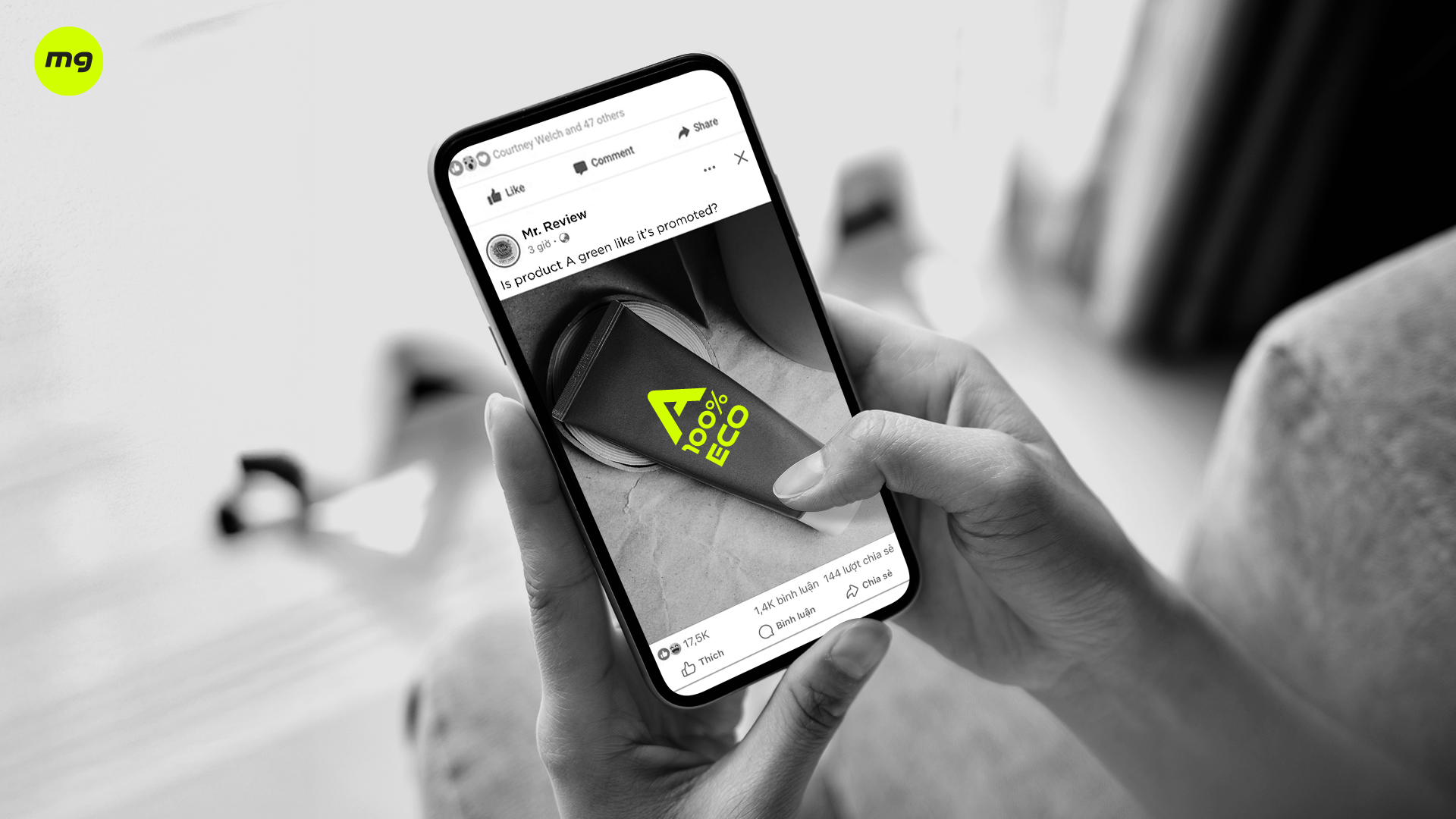
In marketing, this shift is often described as consumer skepticism. It reflects a mindset where people question brand claims by default, especially in green marketing, where impact is not always visible. Trust is no longer assumed. It builds gradually through consistency, evidence, and transparency.
Several forces have shaped this shift.
- First, people have grown tired of predictable green claims. Words like “eco” or “sustainable” appear so often that they start to blur together. When every brand sounds like green brands, differentiation disappears. At that point, questioning becomes the natural response. Kantar also stated that 52% of consumers believe brands mislead about their sustainability efforts.
- Second, access to information has reshaped the balance of power. Social platforms amplify criticism quickly. Watchdog groups publish detailed reports. AI tools can compare claims across sources in seconds. As a result, green marketing messages are constantly tested against external perspectives.
- Third, younger audiences engage with brands differently. They treat advertising as one perspective among many. Reviews, communities, and independent sources all play a role in shaping their decisions. This is especially true when it comes to green marketing, where claims often require deeper validation.
Together, these forces do more than weaken trust in green marketing. They reshape how trust is built from the ground up.
Transparency, Greenwashing and The Rise of Proof
As green marketing expanded, greenwashing followed. When it became easier to claim sustainability than to prove it, more brands chose the faster route. Over time, this behavior raised the level of scrutiny across the entire market.
A clear example is Shein with its “evoluSHEIN” initiative. The brand attempted to reposition its image around sustainability, yet faced criticism for unclear data and lack of transparency. The case shows how quickly trust can be questioned when proof is not visible.
Transparency then changed the rules. Information became more visible. Reports, data, and third party analysis made it harder for brands to rely only on messaging. Once visibility increased, accountability followed. Marketing no longer controlled the narrative. It became one part of a larger system where claims could be examined and challenged.
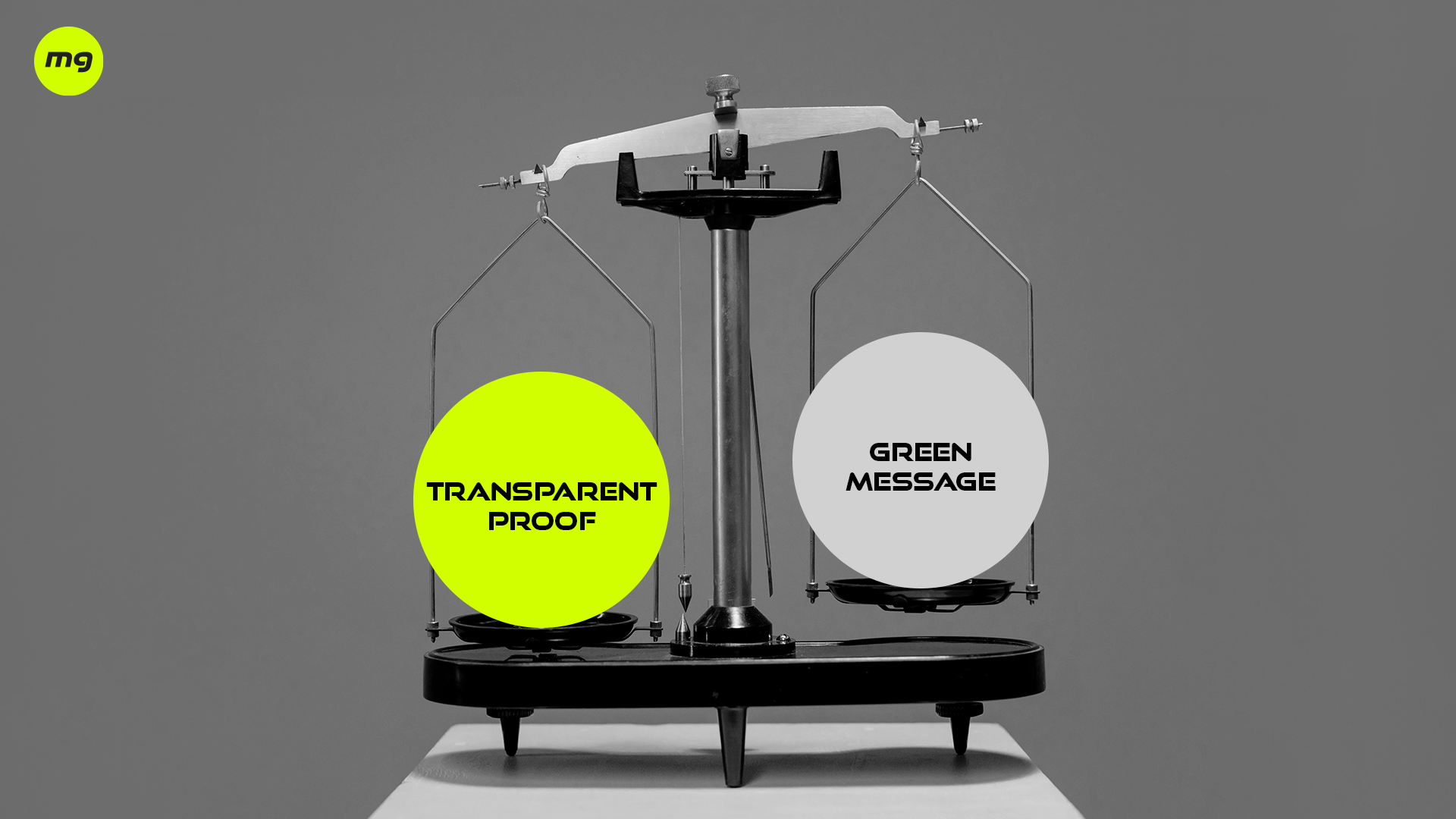
In this environment, trust began to shift toward proof systems. Instead of relying on statements, consumers look for signals they can verify. These often include:
- Measurable impact such as carbon footprint data or lifecycle analysis
- Third party validation such as certifications or audits
- Open reporting that shows both strengths and limitations
In the current landscape, intention alone is no longer enough. Perception is shaped by what can be verified.
The New Rules of Green Marketing
This shift changes the role of green marketing completely. It moves from communication into operations. It forces green brands to align what they say with what they actually do. For marketers, this requires a different way of thinking and working.
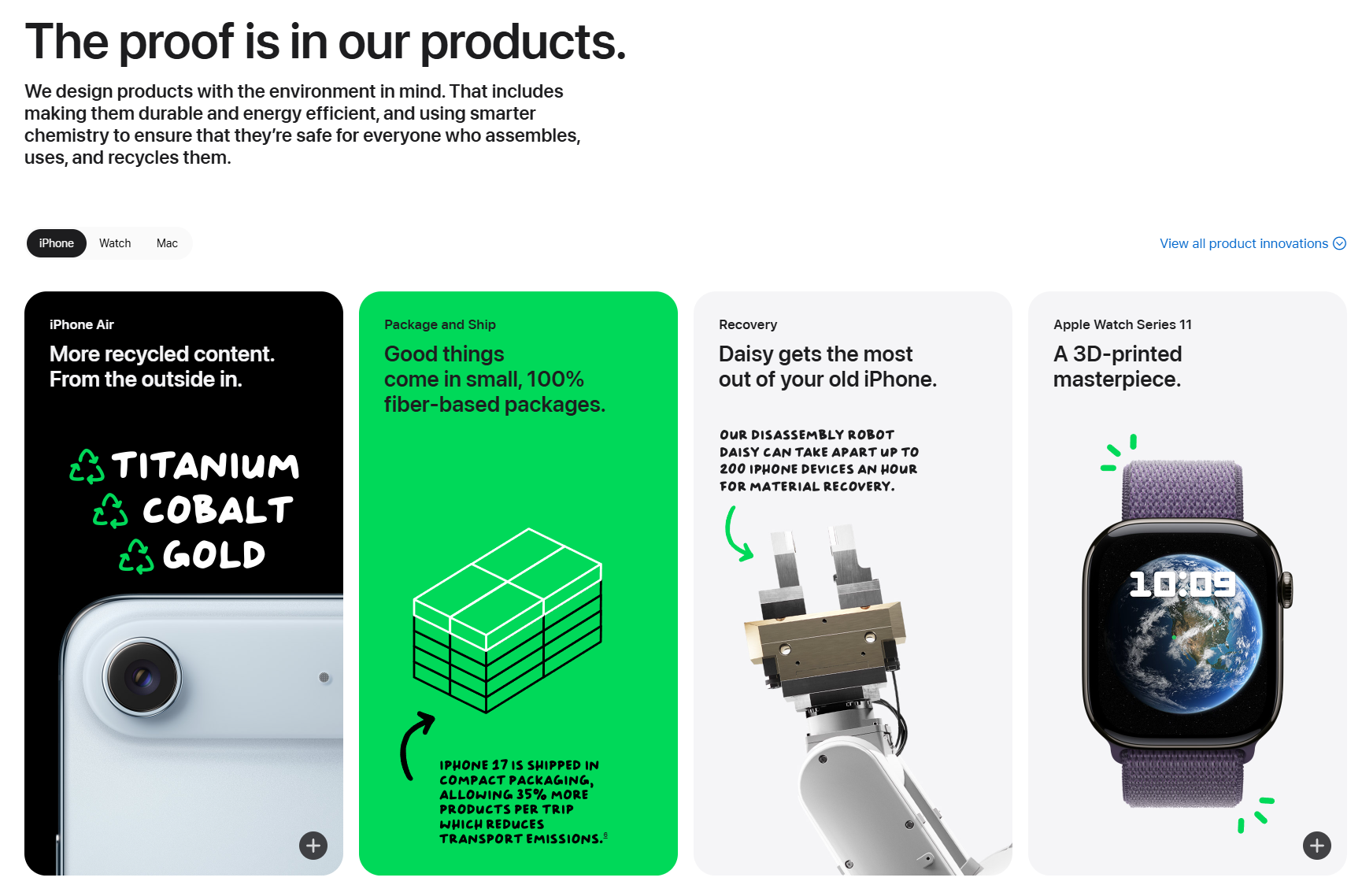
The first shift is building before communicating. Marketing can only amplify what already exists. If the system behind the product is not strong, messaging will struggle to hold up. A strong example is Apple. Its green advertising works as it is supported by detailed annual environmental reports.
The second shift is turning transparency into an advantage. Instead of hiding complexity, leading green brands make it visible. Allbirds places carbon footprint data directly on its products. This approach helps consumers understand impact and builds trust through clarity.
Another important shift is accepting imperfection. In a market shaped by skepticism, claiming to be fully sustainable often raises more questions. Brands that acknowledge trade offs tend to feel more credible. Honesty creates space for trust to grow over time.
Finally, storytelling still matters, but it needs to evolve. If green advertising relied on emotional trust, now it needs to highlight the processes, data, and even limitations. A strong story is not defined by how inspiring it sounds, but by how well it can stand up to scrutiny.
To sum up, the brands that go the extra mile to prove their real green impact will be the ones that earn trust and lead.
Conclusion
Green marketing (or “marketing xanh”) has entered a new phase where trust is no longer assumed but built through proof. As consumer skepticism rises and transparency reshapes the rules, brands must align what they say with what they do.
From mg.limited’s view, this is where data meets bold ideas to create real differentiation in the green advertising market.
